
By Ritu Goel, MD | October 28, 2026 | Blogs | 0 comments
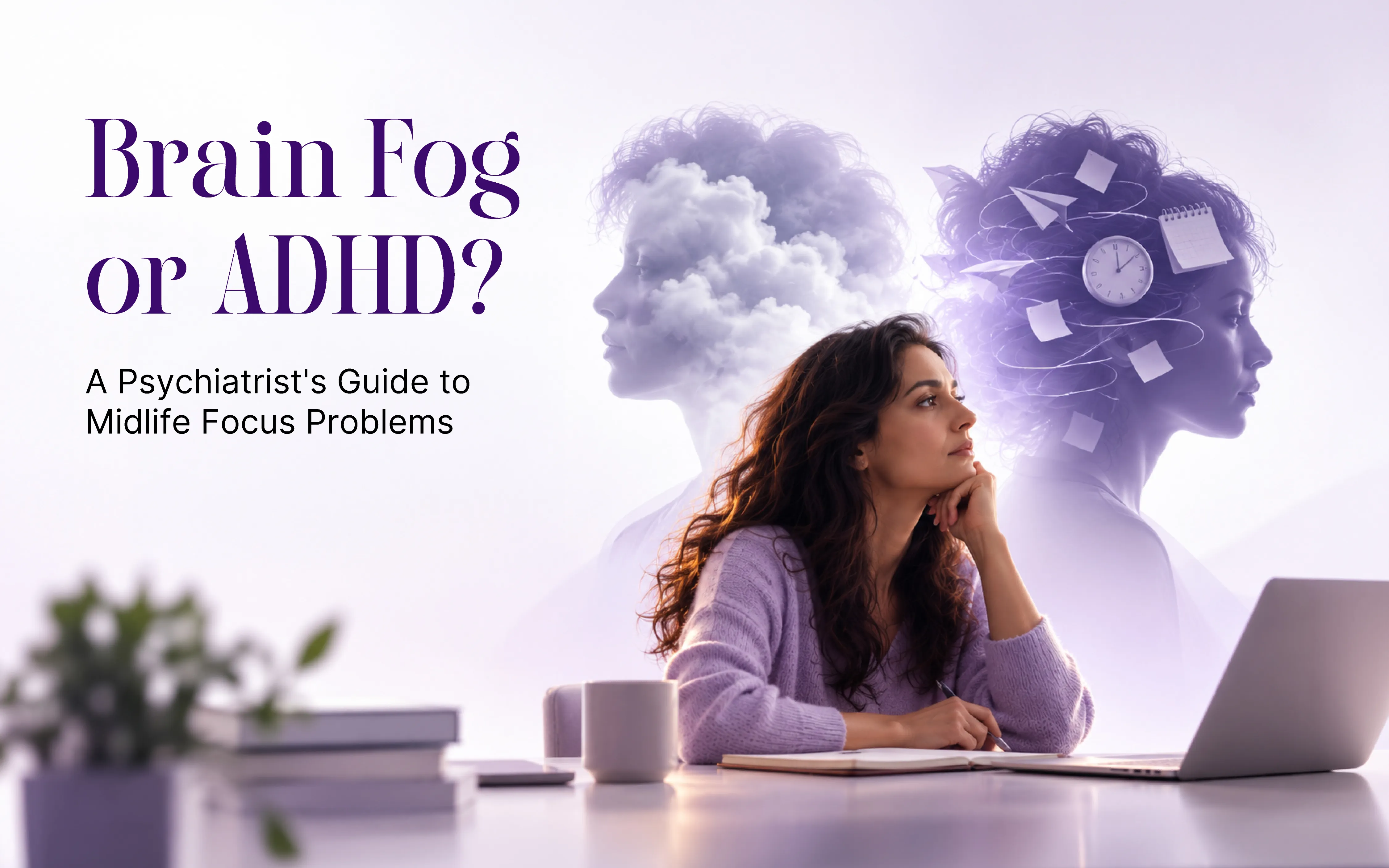
You walk into the kitchen and forget why. A word you've used a thousand times is stuck on the tip of your tongue. You read the same email three times and still can't say what it asked.
If this sounds familiar and you're in your 40s or 50s, you're in good company. Roughly 44% to 60% of women in perimenopause report brain fog like this. Now a new headline says ADHD medications might fix it. Here is what that research actually found, what it means for you, and what to do next.
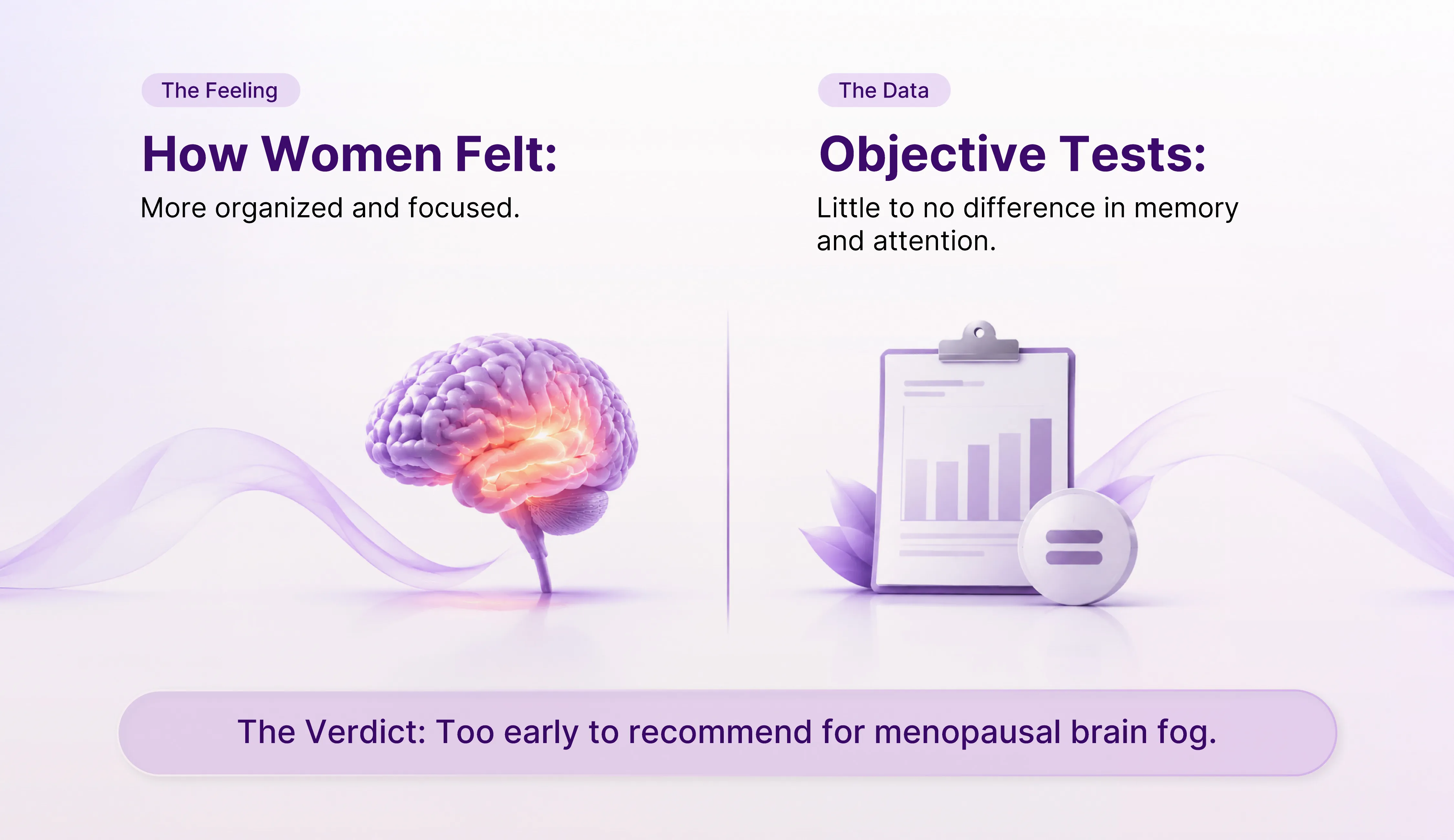
This week, The Menopause Society shared early findings from a review of existing studies. Researchers looked at two ADHD medications, lisdexamfetamine (a stimulant) and atomoxetine (a non-stimulant), in women ages 45 to 60.
So, women felt better, but their test scores didn't move much. That doesn't make the relief imaginary. But it is a reason to slow down before calling this a treatment.
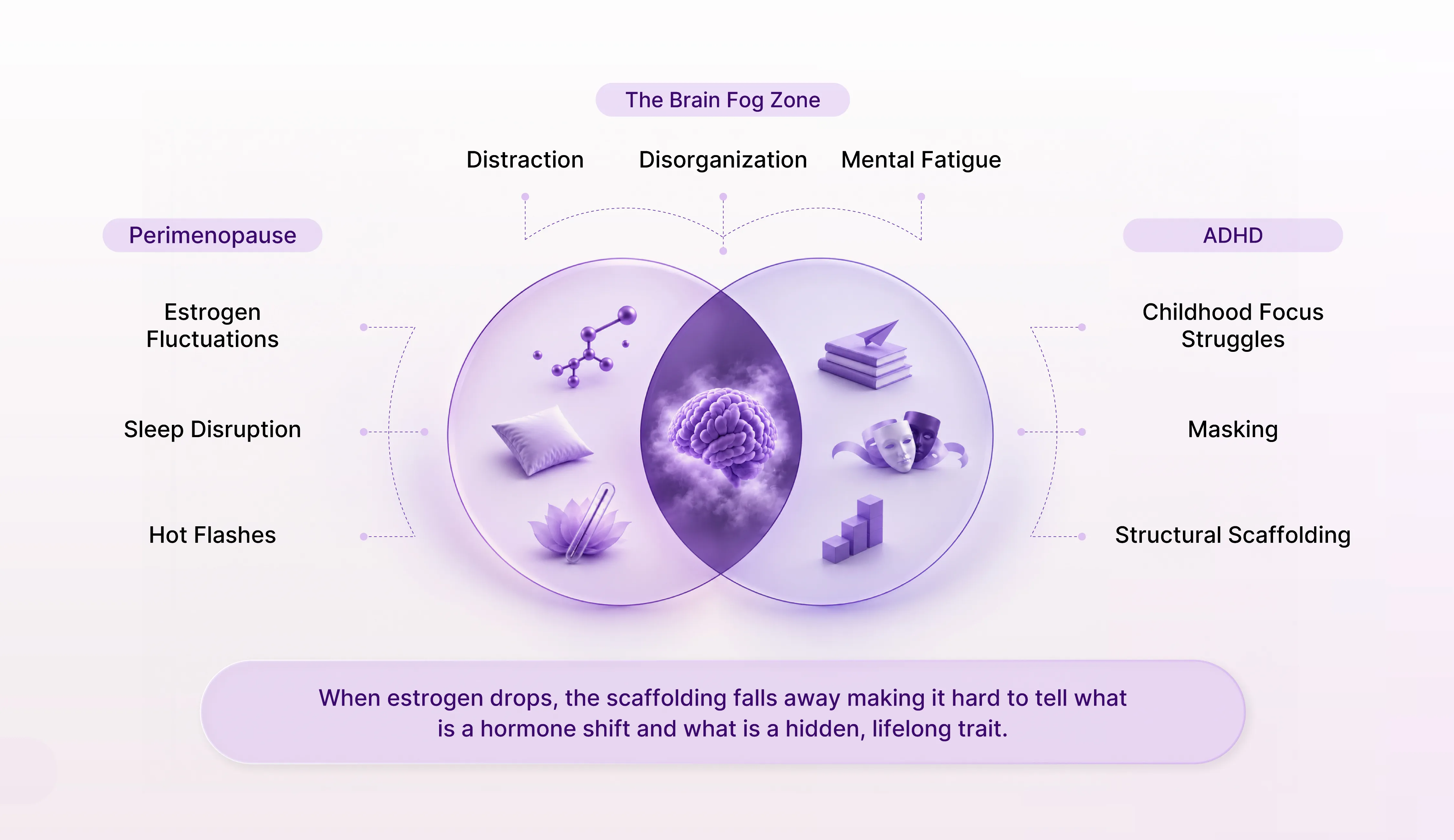
Estrogen helps run the brain's focus and planning systems. When estrogen drops and swings during perimenopause, those systems can get unreliable. The result can feel just like ADHD: distraction, disorganization, mental fatigue.
For some women, it truly is ADHD. They coped for decades, and the hormone shift removed the scaffolding. For many others, the fog comes from something else, or from both at once.
None of these is a diagnosis, but they are worth noticing:
For most women, menopausal brain fog is temporary and does not mean dementia. It is real, it is frustrating, and it deserves a real workup, not a shrug and a "that's just age."
At MindClaire, we take a whole-person look at attention, sleep, mood, and hormones before recommending any treatment. If your focus has changed and you want a clear answer, you can schedule a consultation.
Currently, no. While recent reviews show medications like lisdexamfetamine may help women feel more organized, objective cognitive tests do not show significant improvements in memory or attention. They are not officially recommended for perimenopause brain fog.
The biggest differentiator is timeline. ADHD is a neurodevelopmental condition present since childhood. If your focus and memory issues only began in your 40s or 50s alongside other symptoms like hot flashes or sleep disruptions, it is more likely perimenopause.
Yes. Estrogen helps support the brain's executive function. When estrogen drops during perimenopause, women who previously managed their mild, undiagnosed ADHD through coping mechanisms often find those strategies no longer work, bringing their ADHD symptoms to the surface.
Sources: The Menopause Society, "ADHD Medications Offer Promise in Managing Menopausal Brain Fog" (press release, October 2026). The underlying scoping review, "Brain Fog or ADHD? Executive Dysfunction in Perimenopause: A Scoping Review of the Role of ADHD Medications" (lead author Jennifer Tat, University of Tennessee Health Science Center), is being presented at the 2026 Annual Meeting of The Menopause Society, San Diego, October 20-24. The full paper had not been published at the time of writing.
This post is educational and is not medical advice.